
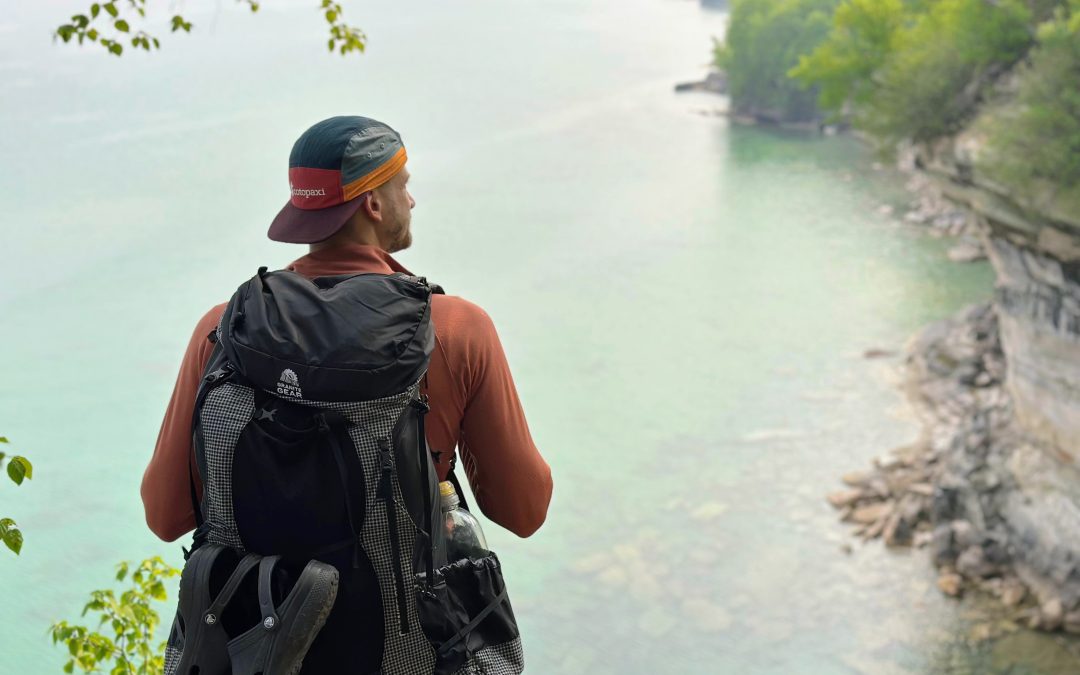
When you’re first getting into backpacking, the sheer amount of gear out there can feel overwhelming. Do you really need titanium stakes? Is a $400 tent worth it? Before you get lost in the weeds, it helps to zoom out and focus on what backpackers call “The Big 3.” These are commonly the three heaviest—and most important—pieces of gear in your pack:
-Your Backpack
-Your Shelter
-Your Sleep System
Dialing in these three items can save you pounds of weight, boost comfort, and set the foundation for every trip you take. Let’s break them down.
1. Backpack
Now at the risk of sounding obvious, your backpack is the foundation of the rest of your gear BECAUSE IT HOLDS EVERYTHING! A good pack should fit your torso, transfer weight comfortably to your hips, and have enough volume for the type of trips you’re planning.
Things to consider:
Capacity: 40–50 liters is usually enough for most 3-season trips. Beginners often start bigger (60–65L), but too much space can tempt you to overpack.
Weight: Ultralight packs can weigh under 2 pounds, but often sacrifice structure and padding. Heavier framed packs offer more comfort at the cost of ounces and sometimes pounds.
Fit: This is where you don’t want to compromise. Take the time to get sized, or at least measure your torso before buying online.
Pro tip: If you’re on a budget, don’t chase the lightest pack right away. A comfortable, durable mid-weight pack is often a better place to start.
2. Shelter
Your shelter is your home in the backcountry, and the options today are endless: traditional tents, trekking pole tents, hammocks, tarps, even bivy sacks.
Things to consider:
Weight vs. Comfort: Two-person tents in the 2–3 lb. range are a sweet spot for most hikers.
Setup Style: Freestanding tents are easy for beginners, while trekking-pole tents cut ounces but require more practice.
Weather Protection: Think about the seasons and locations where you’ll be hiking. A lightweight tarp might be great for summer, but not ideal in stormy conditions. The day I saw someone sleeping in a tarp tent in a windy rainstorm in Iceland was the day I said, “yeah that’s not for me.”
Pro tip: If you usually hike solo, a 1-person tent is lighter but can feel cramped. Many solo hikers still choose a 2-person for comfort.
3. Sleep System
A solid night’s sleep is the difference between loving or hating backpacking. The “sleep system” usually includes your sleeping bag or quilt and your sleeping pad.
Things to consider:
Temperature Rating: Pick a bag rated for about 10 degrees colder than you expect to face. For example, a 20°F bag is often good for typical 3-season use.
Insulation Type: Down is lighter and more compressible, but synthetic holds warmth better in damp conditions and costs less.
Sleeping Pad: Don’t overlook this! Pads provide both comfort and insulation from the cold ground. Check the R-value to make sure it matches the season.
Pro tip: Many backpackers find quilts (instead of mummy bags) save weight and still keep them plenty warm when paired with a good pad.
Why the Big 3 Matters
For most hikers, these three items account for over half the total pack weight. By carefully choosing lighter and more efficient versions, you can drop several pounds without sacrificing safety. That means easier miles, less fatigue, and more enjoyment on the trail.
It’s tempting to stress over camp pillows or cookware, but if you focus first on dialing in your Big 3, you’ll set yourself up for success.
Backpacking doesn’t have to be complicated. Start with the essentials, get out there, and learn what works for you. Over time, you’ll refine your gear list—but nailing your Big 3 early will give you the confidence and comfort to enjoy the journey.
Great information. Thanks